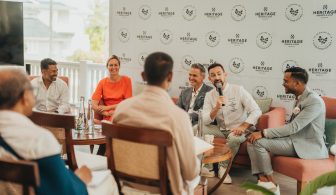


Que ce soit dans son engagement social ou environnemental, le groupe Beachcomber s’affirme constamment avec une vision novatrice et solide en matière de développement durable. Le groupe pionnier de l’hôtellerie l’a rappelé en novembre dernier au House of Digital Art, lors de l’Impact Celebration. Cet événement a marqué une double célébration : l’obtention de la certification EarthCheck Gold et les 25 ans de la ‘Fédération Espoir Développement’ (FED). À cette occasion, une expérience immersive a été proposée, offrant un aperçu des initiatives durables ayant valu cette reconnaissance, ainsi que de nombreux projets emblématiques portés par la FED au fil des années.
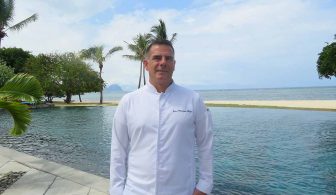
Fondé en 1952, le groupe Beachcomber compte aujourd’hui huit hôtels implantés à travers l’île. Ces établissements occupent des sites riches en biodiversité, notamment la péninsule du Morne, mais également des lieux protégés comme une zone humide près de Trou-aux-Biches Beachcomber, des vestiges patrimoniaux et des parcs marins. Pour Stéphane Poupinel de Valencé, PDG du groupe, ces magnifiques sites impliquent une responsabilité : les préserver afin de les léguer aux générations futures. Suivant cette conviction, le groupe a entamé en 2015 un processus de rebranding créant une forte culture du durable dans ses hôtels. En parallèle, une collaboration avec EarthCheck a permis d’implémenter efficacement des pratiques respectueuses de l’environnement et des communautés locales dans leurs opérations.
Cette démarche a conduit à l’élaboration d’une charte de 52 engagements articulés autour de huit piliers, comprenant l’utilisation responsable de l’eau et de l’énergie, la gestion des déchets, la préservation de la biodiversité, l’engagement communautaire, l’approvisionnement responsable, ainsi que l’implication des artisans et la contribution des clients. Cette charte, au final, a servi de ligne directrice, permettant au groupe d’obtenir une certification EarthCheck Silver en 2019, puis, quatre ans plus tard, la certification Gold. Cette distinction consolide ainsi la légitimité du groupe en tant qu’acteur engagé dans le développement durable.
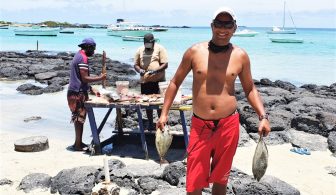
Parmi les innombrables initiatives mises en œuvre, on retrouve une politique de zéro plastique appliquée depuis 2022. Le groupe a également adopté une culture du recyclage avancée, atteignant aujourd’hui 63 % de déchets recyclés. Les jardins des hôtels comprennent 25 % de plantes endémiques, et une collaboration avec un apiculteur favorise la pérennité des écosystèmes pour les abeilles. Par ailleurs, des partenariats avec Reef Conservation permettent de former les artisans à la restauration marine, et le Paradis Beachcomber accueillera prochainement un conservatoire marin à vocation pédagogique. Ces efforts sont portés par la Green Team, composée de membres de chaque hôtel, qui veille à la mise en œuvre des actions et à la transmission de cette culture verte dans les établissements.
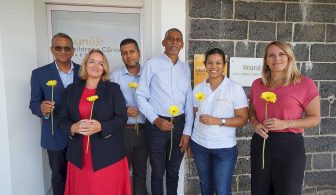
Quant à la ‘Fondation Espoir Développement’ (FED), elle est désormais bien connue à Maurice grâce à ses projets centrés sur la création d’opportunités, la lutte contre la pauvreté et l’inclusion des plus vulnérables. Créée en 1999, la fondation a soutenu de nombreuses communautés, notamment des artisans locaux à travers le projet Beautiful LocalHands, des jeunes via son programme Youth Employability, ou encore à travers des ateliers tels que la fabrication de ravannes, visant à préserver ce savoir-faire et la pratique musicale historico-culturelle qui l’accompagne.
Derrière la FED, on retrouve Viren Vythelingum, CSR (Corporate Social Responsibility) Manager du groupe Beachcomber. Pour lui, la célébration des 25 ans de la fondation est l’occasion de renouveler l’engagement envers les nombreux projets entrepris. « Nous espérons continuer à accompagner chaque communauté dans sa croissance, à favoriser son développement personnel et, bien sûr, à commencer de nouveaux projets », affirme-t-il. Viren souligne que ces initiatives émergent souvent d’une créativité spontanée, d’une empathie et d’une présence engagée auprès des populations. « Nous identifions les besoins et cherchons à être inventifs », ajoute-t-il.
Pour l’avenir, la vision de la fondation s’articulera autour de l’éducation, de la sensibilisation aux substances nocives et de la conservation du patrimoine naturel. La FED veut également démocratiser certains sports comme le tennis ou le golf en créant des académies pour initier les jeunes à ces disciplines.
Beachcomber, pioneer of change with 25 years of the FED and an EarthCheck Gold Award
Whether in its social or environmental commitment, the Beachcomber group continues to assert itself with an innovative and solid vision of sustainable development. The pioneering hotel group reiterated this last November at the House of Digital Art, during the Impact Celebration. The event marked a double celebration: the award of EarthCheck Gold certification and the 25th anniversary of the Fédération Espoir Développement (FED). To mark the occasion, an immersive experience was offered, providing insight into the sustainable initiatives that earned this recognition, as well as the many emblematic projects carried out by the FED over the years.
Founded in 1952, the Beachcomber group has eight hotels across the island. These hotels occupy sites rich in biodiversity, notably the Morne peninsula, but also protected areas such as a wetland near Trou-aux-Biches Beachcomber, heritage relics and marine parks. For Stéphane Poupinel de Valencé, the Group’s CEO, these magnificent sites entail a responsibility: to preserve them so that they can be passed on to future generations. Following this conviction, in 2015 the group began a rebranding process, creating a strong culture of sustainability in its hotels. At the same time, their collaboration with EarthCheck has enabled them to implement practices that respect the environment and local communities in their operations.
This approach led to the development of a charter of 52 commitments based on eight pillars, including responsible use of water and energy, waste management, preservation of biodiversity, community involvement, responsible sourcing, as well as the involvement of artisans and the contribution of customers. This charter served as a guideline, enabling the group to obtain EarthCheck Silver certification in 2019, followed four years later by Gold certification. This distinction consolidates the Group’s legitimacy as a player committed to sustainable development.
Among the countless initiatives it has implemented is a zero-plastic policy, which has been in force since 2022. The Group has also adopted an advanced recycling culture, with 63% of waste now reprocessed. Hotel gardens include 25% endemic plants, and a partnership with a beekeeper helps to ensure sustainable ecosystems for bees. In addition, its partnerships with ‘Reef Conservation’ enable craftsmen to be trained in marine restoration, and the Beachcomber Paradise will soon be home to an educational marine conservatory. These efforts are supported by the Green Team, involving members from each hotel, who oversee the implementation of actions and the transmission of this green culture throughout the establishments.
As for the Fondation Espoir Développement (FED), it is now well known in Mauritius thanks to its projects focused on the creation of opportunities, its efforts in fighting poverty and including the most vulnerable. Set up in 1999, the foundation has supported a wide range of communities, including local artisans through the Beautiful LocalHands project, young people through its Youth Employability programme, and workshops such as the making of ravannes, aimed at preserving this know-how and the historical and cultural musical practice that goes with it.
Behind the FED is Viren Vythelingum, CSR Manager of the Beachcomber Group. For him, celebrating the foundation’s 25th anniversary is an opportunity to renew the commitment to the many projects undertaken. ‘We hope to continue to support each community in its growth, to encourage personal development and, of course, to start new projects,’ he says. Viren emphasises that these initiatives often emerge from spontaneous creativity, empathy and a committed presence in the community. ‘We identify needs and try to be inventive,’ he adds.
For the future, the foundation’s vision will focus on education, raising awareness of harmful substances and conserving our natural heritage. The FED also wants to democratise sports such as tennis and golf by creating academies to introduce young people to these disciplines.